


Alpaca fibre from the high-altitude regions of the Andes is naturally more resilient than you might expect. Its smooth structure absorbs fewer odours and needs washing far less often. When the time comes, a gentle hand is all it takes — and your piece will feel as soft as the day you first touched it.
Care steps
Place your piece in lukewarm water (no more than 30 °C) with a gentle wool detergent. Move it softly through the water — never rub, twist or wring. The fibre responds to patience, not pressure.
Press out excess water gently with a clean towel, then lay the piece flat on a dry surface. Never hang alpaca wool to dry — it keeps its shape best when resting.
Not needed. If light creases appear, a touch of steam from a distance on the lowest setting is all it takes.
Fold rather than hang, and store in a cool, dry place. A sprig of lavender or a piece of cedarwood will keep moths away — no chemicals needed.
Small bobbles may appear during the first few weeks of wear — a natural sign that the fibre is settling in. Remove them gently with a cashmere comb. After a short while, the surface smooths out on its own.
On the skin: does alpaca wool itch?
Baby alpaca wool, as we use for our knitwear, has a fibre diameter of under 23 microns — finer than many cashmere qualities. It sits softly against the skin, without the prickle you might know from coarser wools.
Learn more about baby alpaca wool
Baby alpaca: the finest fibres of the Andes
Frequently asked questions
We recommend washing by hand. If your machine has a dedicated wool cycle with cold water and no spin, a careful machine wash is possible. Always use a mild wool detergent and a mesh laundry bag to protect the delicate fibre from friction.
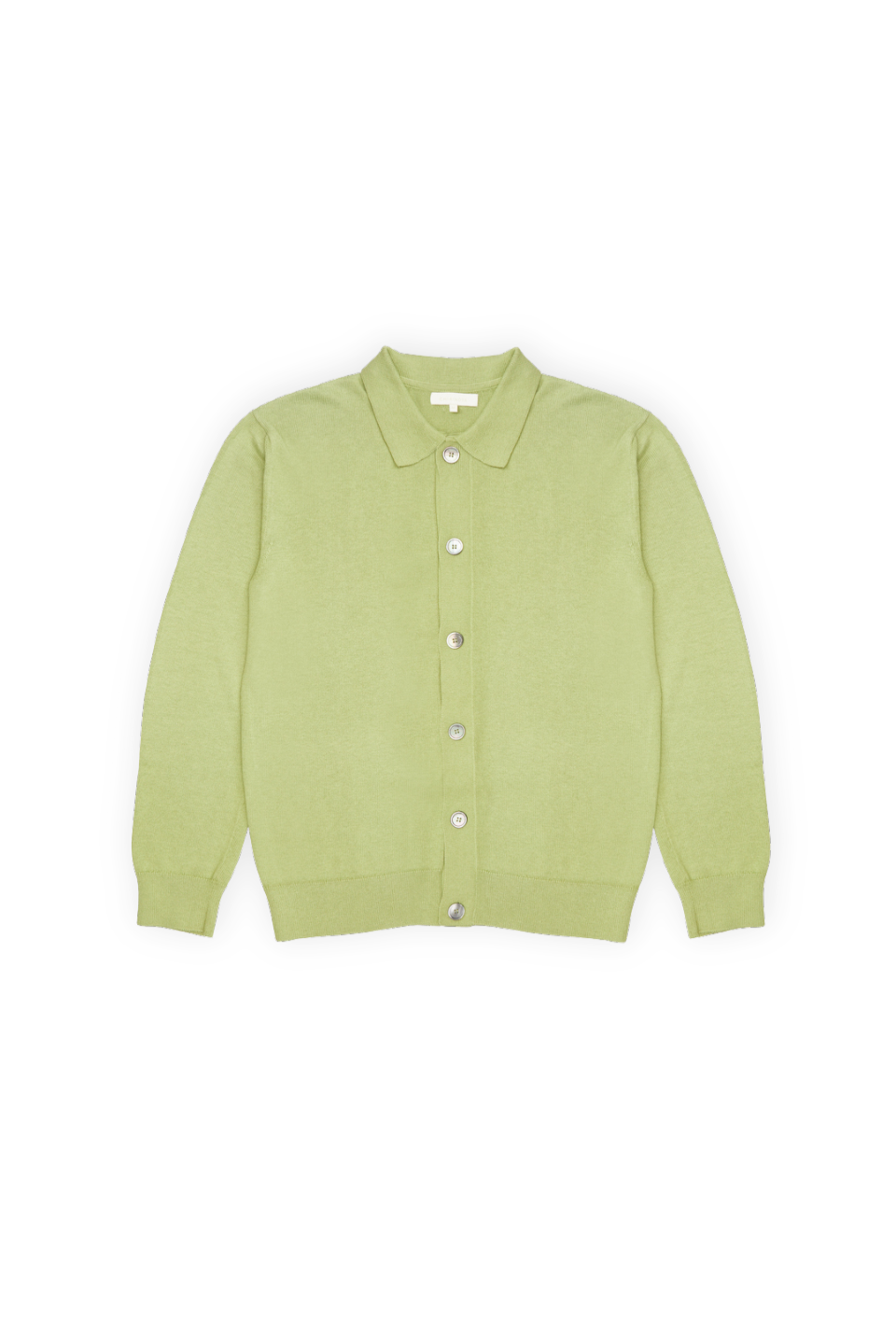
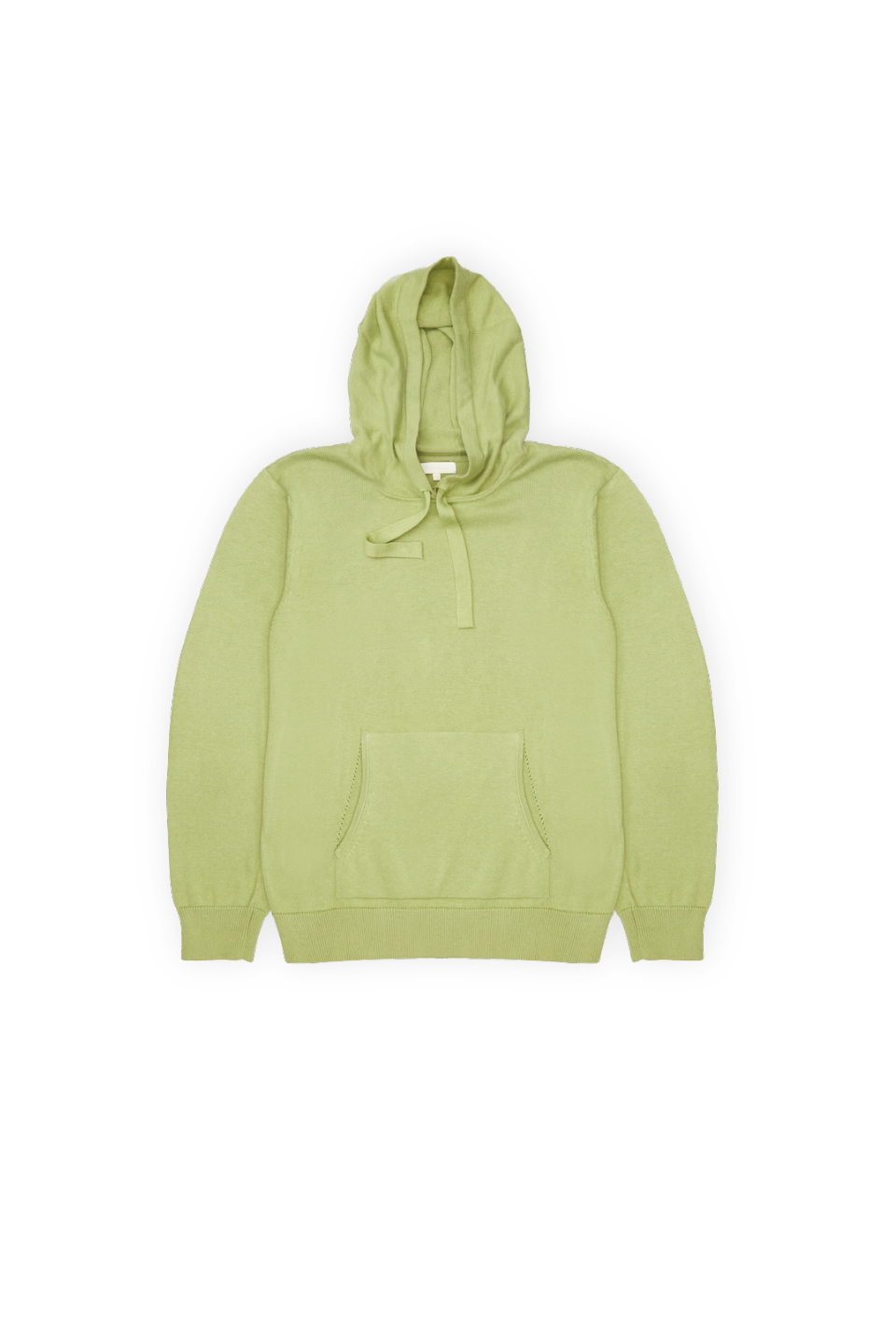
Our baby alpaca wool from the Andean highlands has a fibre diameter of under 23 microns and feels silky to the touch. Unlike sheep's wool, alpaca fibre contains no lanolin, which makes it comfortable even for sensitive skin. You can wear our cardigans and hoodies directly against the skin.
Light pilling during the first weeks of wear is perfectly normal for natural fibres and says nothing about quality. Remove the bobbles carefully with a cashmere comb or fabric shaver. After a short wearing-in period, the surface becomes smoother and pilling subsides.
Place the piece in lukewarm water (no more than 30 °C) with a small amount of wool detergent and let it soak for a few minutes. Move gently, never wring. Then lay flat on a towel to dry. Alpaca wool needs washing far less often than other fibres — a good airing is often all it takes.
Explore the collection
Related Articles

What Makes Loungewear Ultra-Soft, and How Do You Choose the Best Quality Pieces?
Discover what truly makes loungewear ultra-soft, from fiber origin to artisan finishing, and how to judge real quality before you buy.

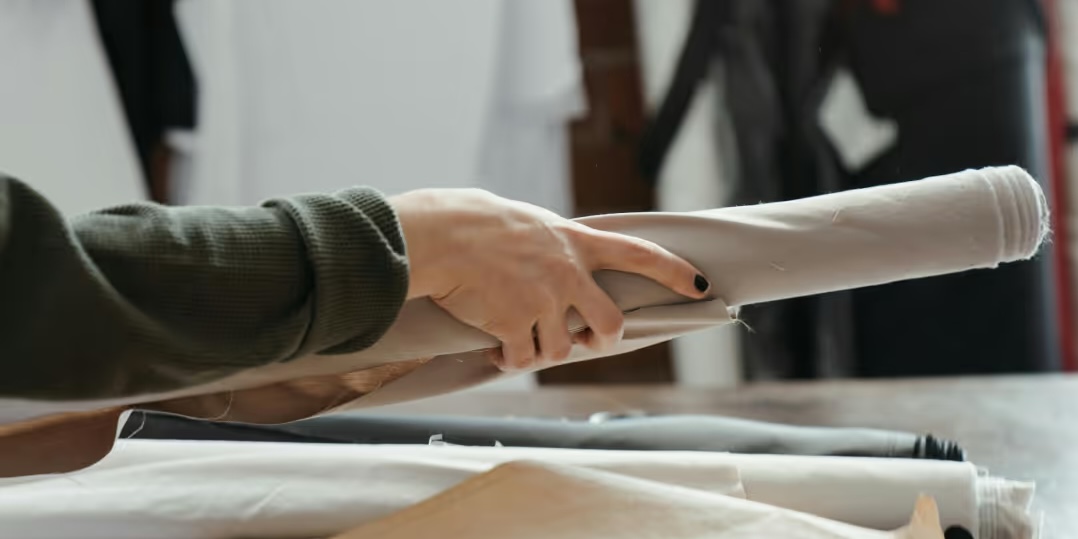
How Does Artisanal, Small-Batch Clothing Production Help Fight Climate Change?
How small-batch Andean craftsmanship removes carbon-heavy manufacturing from fashion and makes clothing built to last.

