

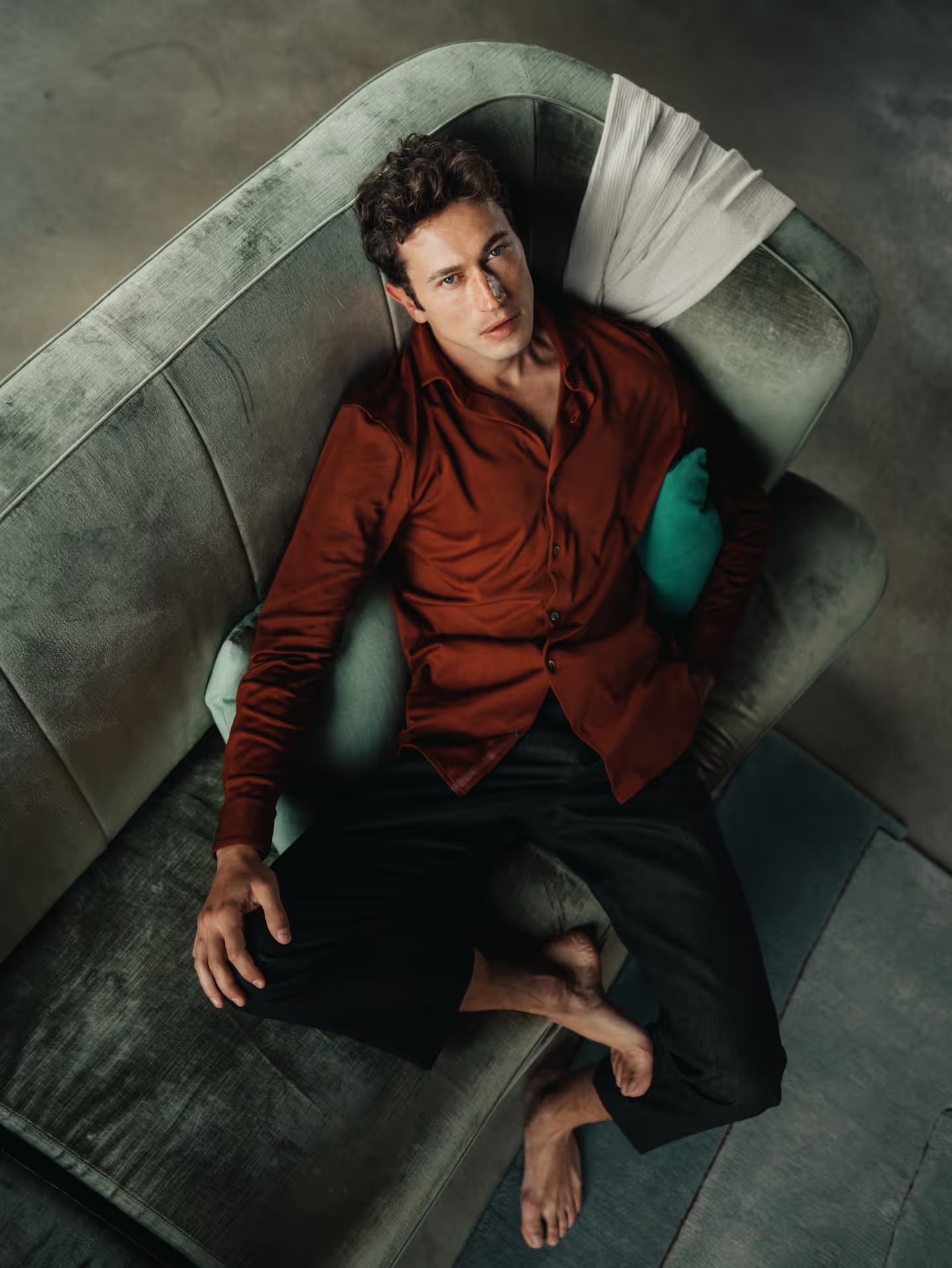
There is a quiet shift happening in the way men relate to their clothing. Fewer things, better chosen, longer worn — not as a compromise, but as an act of intention. Sustainable menswear begins where you might least expect it: with the touch of a fabric against your skin.
The Quiet Revolution in the Wardrobe
Something has changed. Not loudly, not overnight, but unmistakably — particularly across cities like Vienna, Munich, and Zürich, where a growing awareness of quality and provenance is reshaping the way men dress.
Men who spent years buying without much thought are pausing. They open their wardrobes and notice: much of what hangs there is rarely worn. The t-shirts that lost their shape after a few washes. The shirts that never quite felt right against the skin. The clothes that never truly belonged to them.
Sustainable clothing for men means breaking this pattern. Not through deprivation, but through a different kind of attention — to materials, to craft, to the feel of a cloth on the body. It is not a trend. It is a return to something we unlearnt: sensing the worth of a single garment.
What Remains When the Trend Has Passed
For us, sustainability is neither a seal nor a promise on a label. It is a consequence — the natural outcome of making clothing so well that you never want to replace it.
A garment that ends up in a donation bag after two seasons is the opposite of sustainable, regardless of how it was produced. Truly sustainable menswear is born when material quality, craftsmanship, and timeless design converge — creating a piece that grows better with the years, not worse.
At Chirimoya, we call this Honest Beauty: beauty that does not hide behind marketing, but emerges from the substance of the material itself. Each of our garments is designed to accompany you — through the seasons, through the years, through the memories you gather whilst wearing them.
This is not a romantic notion. It is a design decision. If you are curious about what Slow Luxury means to us, the answer begins here: with the conviction that longevity is the most radical act of sustainability.
The Fibre Makes the Difference
Sustainable t-shirts for men do not begin with the finished garment. They begin with the fibre.
In the coastal valleys of Peru, a cotton grows that feels silky even in its raw state. Peruvian Pima cotton produces fibres of up to 43 millimetres in length — considerably longer than ordinary cotton. The result: a fabric that is ultra-soft against the skin, that holds its shape through hundreds of washes, and that becomes more supple with time rather than wearing thin.
This skin experience is no accident. It is the outcome of a fibre that thrives under particular climatic conditions — in a region where cotton cultivation has been a tradition for generations. Pima cotton needs no synthetic treatments to achieve its softness. It simply is.
Equally central to our pieces is Alpaca wool from the high-altitude regions of the Andes. Naturally temperature-regulating, hypoallergenic, and lighter than sheep's wool, yet remarkably warm. A fibre that lets the body breathe — in winter as in summer. Our sustainable shirts and knitwear unite these materials with design that endures beyond the season.
Both fibres share something essential: they need no chemistry to convince. No coatings, no finishes, no synthetic blends. What you feel when you hold a Chirimoya piece in your hands is the material itself — nothing more.
Hands That Know What They Are Doing
Ethical fashion is more than a label. It is the people behind it.
In Ibagué, on a mountain plateau in Colombia's Tolima region, a small team works to preserve and advance the qualities of these extraordinary fibres. Our design studio is not a large-scale operation. It is a place where artisanal craftsmanship meets modern design — with the care that is only possible when every piece passes through few, skilled hands.
This connection between tradition and the present becomes especially visible in our Natural Dye line. Each of these pieces is dyed by hand — by artisans from the Amazon who preserve and pass on pre-Colombian dyeing techniques. No two pieces are identical. Each carries the signature of the hands that coloured it.
This, for us, is the heart of ethical production: not ticking boxes on a checklist, but nurturing relationships — with the people who grow, process, and refine our materials. With the places that have inspired us since the beginning of our journey.
Own Less, Feel More
In the end, it is not about optimising the perfect wardrobe. It is about building a different relationship with the things that accompany you every day.
A sustainable hoodie you pull on during an autumn morning in Vienna. A Pima cotton t-shirt that reminds you of the first warm evening of a trip. A shirt that fits better after the tenth wear than after the first. These are not interchangeable products. They are companions.
We believe in the power of connection — from the clothes on your skin to the memories made whilst wearing them. A considered wardrobe does not need much. It needs the right things.
If you are ready to feel the difference, we invite you to explore our pieces. Not because we wish to sell you something. But because some things are only understood through touch.
Frequently Asked Questions
Sustainable menswear is the result of three things coming together: enduring natural materials, responsible production, and timeless design. It is not about a single certification, but about whether a garment is made well enough to be worn for years rather than replaced after a few seasons. Longevity is the most meaningful contribution to sustainability.
Peruvian Pima cotton produces exceptionally long fibres — up to 43 millimetres. This makes the fabric more resistant to pilling and wear. Garments made from Pima cotton retain their shape and softness through hundreds of washes, meaning they need to be replaced far less often. Pima cotton is also grown in the coastal valleys of Peru without synthetic additives.
A quality t-shirt made from Pima cotton costs more than a conventional one, but lasts through many more wearing cycles. Measured by actual cost per wear, enduring clothing is often the more economical choice. Beyond that, a well-made piece develops character over time rather than losing its quality.
A considered wardrobe for men starts with a few versatile pieces: t-shirts in exceptional cotton, a timeless shirt, a knit for cooler days, and a hoodie or sweatshirt as a daily companion. What matters is not the quantity, but the material quality and craftsmanship of each individual piece.
Vienna has a growing scene for conscious menswear. Chirimoya offers luxury basics made from Peruvian Pima cotton and Alpaca wool from the Andes at their boutique on Kohlmarkt 10 in the First District and at Lindengasse 25 in the Seventh District — with personal guidance and the opportunity to feel the materials for yourself.
Explore the collection
Related Articles
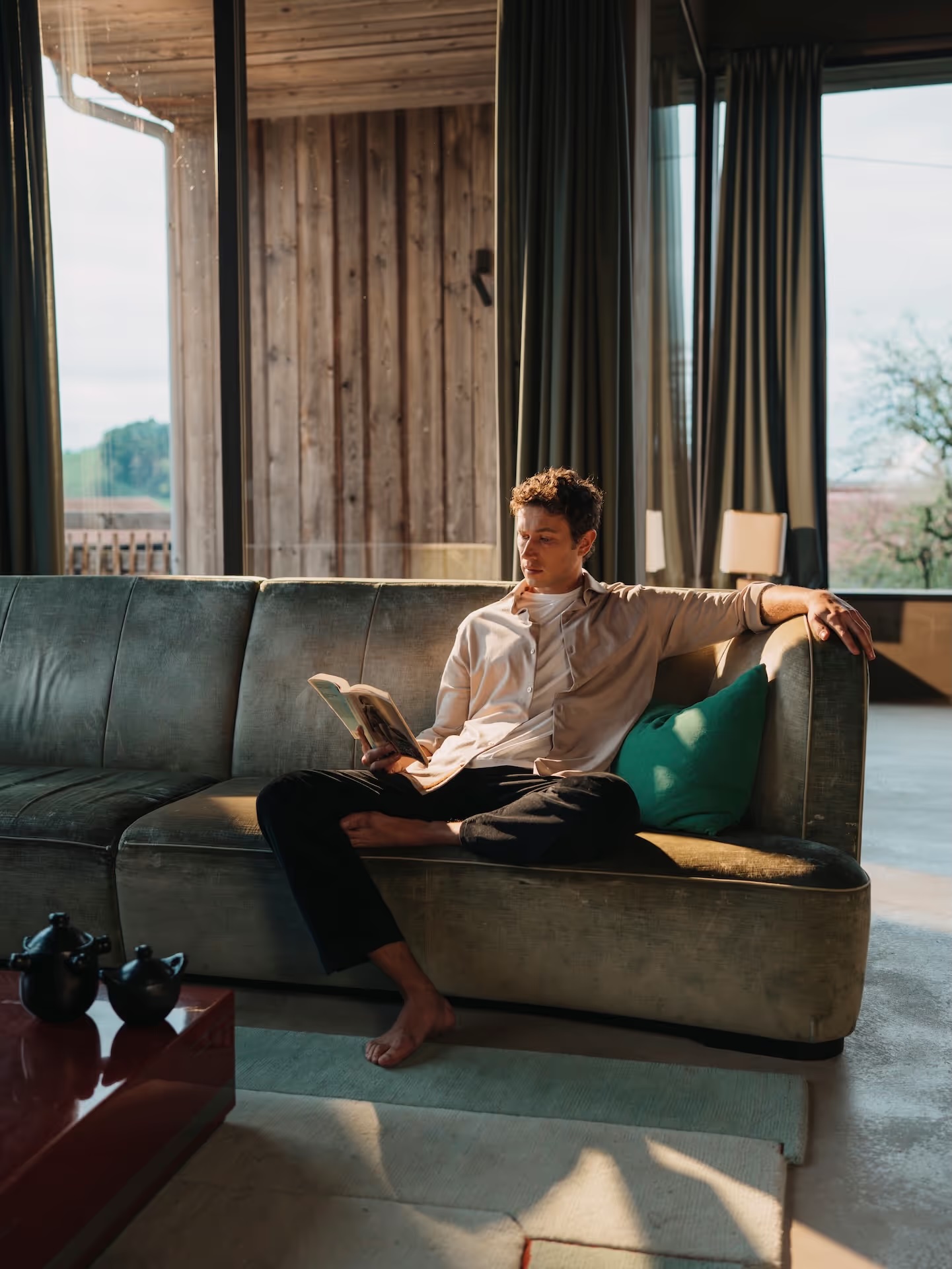
What Makes Loungewear Ultra-Soft, and How Do You Choose the Best Quality Pieces?
Discover what truly makes loungewear ultra-soft, from fiber origin to artisan finishing, and how to judge real quality before you buy.

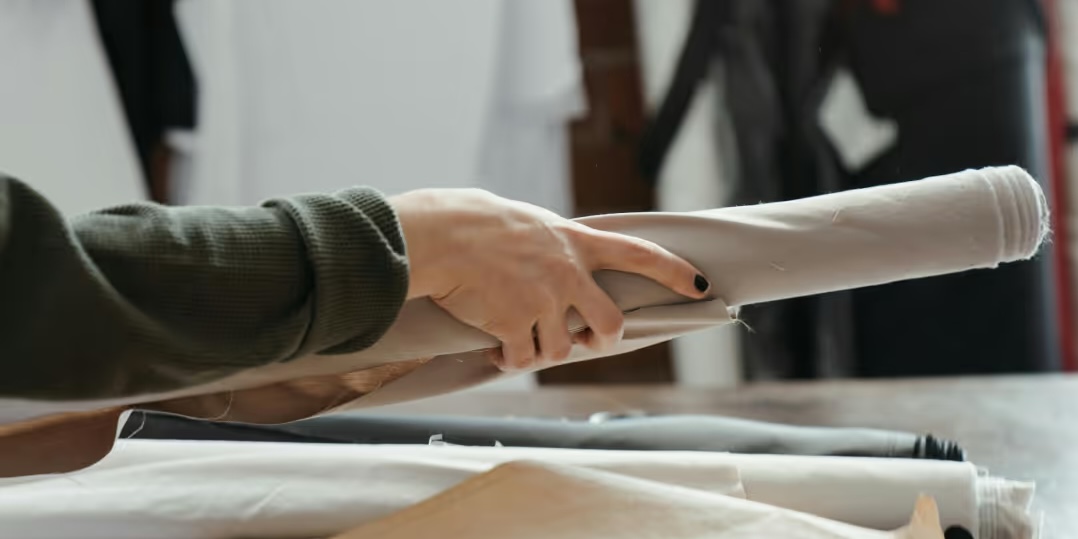
How Does Artisanal, Small-Batch Clothing Production Help Fight Climate Change?
How small-batch Andean craftsmanship removes carbon-heavy manufacturing from fashion and makes clothing built to last.

