

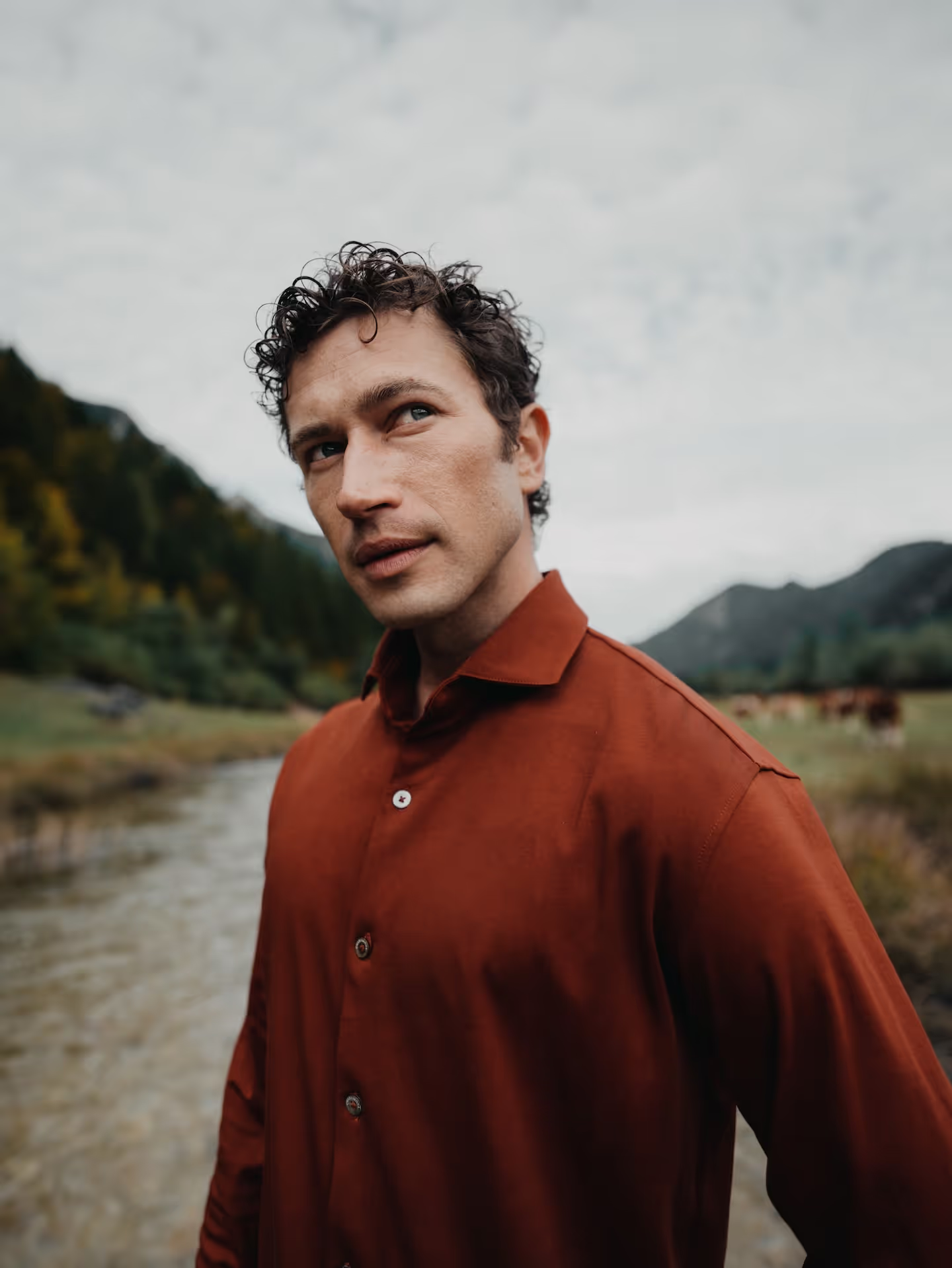
There is a phrase that has guided us since Chirimoya's beginning. Not a marketing term — a compass. Slow Luxury. Two words that describe how we work, what we create, and why we believe the most beautiful things ask for time.
Slow Fashion Is an Answer. Slow Luxury Is a Conviction.
Slow fashion was born as a counterpoint. The global fashion industry now produces over 100 billion garments each year — the average piece is worn just seven to ten times before being discarded. The fast fashion market surpassed 150 billion US dollars in 2025. The industry accounts for eight to ten per cent of global carbon emissions — more than international aviation and maritime shipping combined.
Slow fashion is the necessary answer to that reality. And yet, the word only tells half the story.
Slow Luxury is not a counter-movement. It needs no adversary to define itself against. What we do at Chirimoya has existed for centuries — long before anyone coined the term fast fashion. In the coastal valleys of Peru, cotton has been harvested by hand for millennia. In the high-altitude regions of the Andes, alpaca wool is gathered by herders who pass their knowledge from one generation to the next. In the Amazon, artisans dye cloth with pigments drawn from nature, following techniques older than most nations on earth.
We do not define ourselves against something. We come from something — a tradition that never stopped existing.
The Fibre Remembers
In the coastal valleys of Peru, where the climate strikes a balance between desert and sea found nowhere else, a cotton grows that feels silky even in its raw state. Peruvian Pima cotton — a fibre cultivated in this region for roughly 5,000 years.
What makes it remarkable, you feel before you know. The fabric drapes differently. It rests against the skin rather than scratching it. It grows softer with every wash instead of pilling or fading.
The reasons lie within the fibre itself: Pima cotton produces what is known as extra-long staple fibres — over 35 millimetres in length, whilst ordinary upland cotton rarely exceeds 28. That length makes the fabric approximately 30 per cent stronger and extends the lifespan of garments considerably. Pima accounts for only around three per cent of the world's cotton production.
Numbers you need not commit to memory. But in your hands — you feel the difference at once.
Hands That Know What They Do
Our journey began with a fibre. But it would be nothing without the people who shape it into clothing.
In Ibagué, a city perched on a mountain plateau in Colombia's Tolima region, a small team works to translate the singular qualities of our fibres into modern silhouettes. It is not a grand atelier, nor a factory. It is a place where every piece is considered individually — from seam to hem.
And then there is our Natural Dye line: shirts and T-shirts hand-dyed by artisans from the Amazon. The colours emerge from plant extracts, applied using techniques that trace their origins to pre-Colombian times. Each piece is unique — not because we market it as such, but because nature does not produce copies.
If you wish to learn how these paths converge, read about our journey from the Andes to Vienna.
Clothing That Stays for a Lifetime
Less than one per cent of all textiles worldwide are recycled into new fibres. Each year, 92 million tonnes of clothing end up in landfills or incinerators. The fashion industry has a disposal problem — and the solution lies not in recycling alone, but in a more fundamental idea: creating clothing that no one wishes to discard.
Longevity, at Chirimoya, has two dimensions. The first is material: baby alpaca wool from the high-altitude regions of the Andes, naturally temperature-regulating, lightweight, and resilient. Pima cotton whose fibres grow softer over time rather than wearing thin. Materials that are not made for a single season.
The second dimension is timeless in the truest sense: our pieces do not follow trends that vanish within six months. A Chirimoya T-shirt, a cardigan in alpaca wool — these are companions, not impulse purchases. Clothing that ages with you without looking aged.
For us, sustainability means creating garments that last a lifetime without losing their beauty. That is not a promise. It is the consequence of the materials we choose and the care with which we work.
From the Andes to Vienna
The story of Chirimoya is a story of connection. It begins in the coastal valleys of Peru, travels through a mountain plateau in Colombia, and arrives in Vienna — a city that understands, perhaps better than most, that beautiful things require time.
Vienna, where artisanal tradition and modernity have always coexisted. Where one sits in a coffeehouse that has stood for over a century and gazes through the window at galleries showing contemporary art. This city is no accident as a home for Chirimoya. It is the natural continuation of a journey that began in the Andes.
Our boutique on the Kohlmarkt, our atelier in the Lindengasse — these are places where you can touch the fabrics, hear the stories, and feel the connection that every piece carries with it. Because Slow Luxury is not something one can merely describe. One must feel it.
Give the Past a Future — that is not a slogan. It is our daily work.
Frequently Asked Questions
Slow fashion is a conscious alternative to the fast-paced fashion industry. Rather than producing large volumes of short-lived clothing, it values material quality, fair production conditions, and enduring design. The term emerged in response to the ecological and social consequences of fast fashion — an industry that now produces over 100 billion garments annually and is responsible for eight to ten per cent of global carbon emissions.
Slow fashion responds to a problem — slow luxury grows from a tradition. Whilst slow fashion primarily defines itself as a counter-movement to fast fashion, slow luxury is rooted in centuries-old craftsmanship and the deliberate selection of fine natural materials. At Chirimoya, slow luxury means that Andean artisanal traditions, Peruvian Pima cotton, and Colombian design converge to create luxury basics that last a lifetime and grow more beautiful with age.
Slow fashion offers garments made from superior materials that last significantly longer — Peruvian Pima cotton, for instance, is reported by industry sources to have up to 50 per cent greater longevity than conventional cotton. Add to that ethical production conditions, a reduced ecological footprint, and the personal connection to clothing chosen with intention rather than bought on impulse. Fewer pieces that mean more — that is the essence.
Peruvian Pima cotton produces extra-long staple fibres measuring over 35 millimetres, which are approximately 30 per cent stronger than standard cotton. This makes Pima garments more resistant to pilling, fading, and general wear — they last considerably longer and need replacing far less often. Pima cotton is also naturally more pest-resistant, reducing the need for pesticides. Longevity is the most effective form of sustainability.

Related Articles
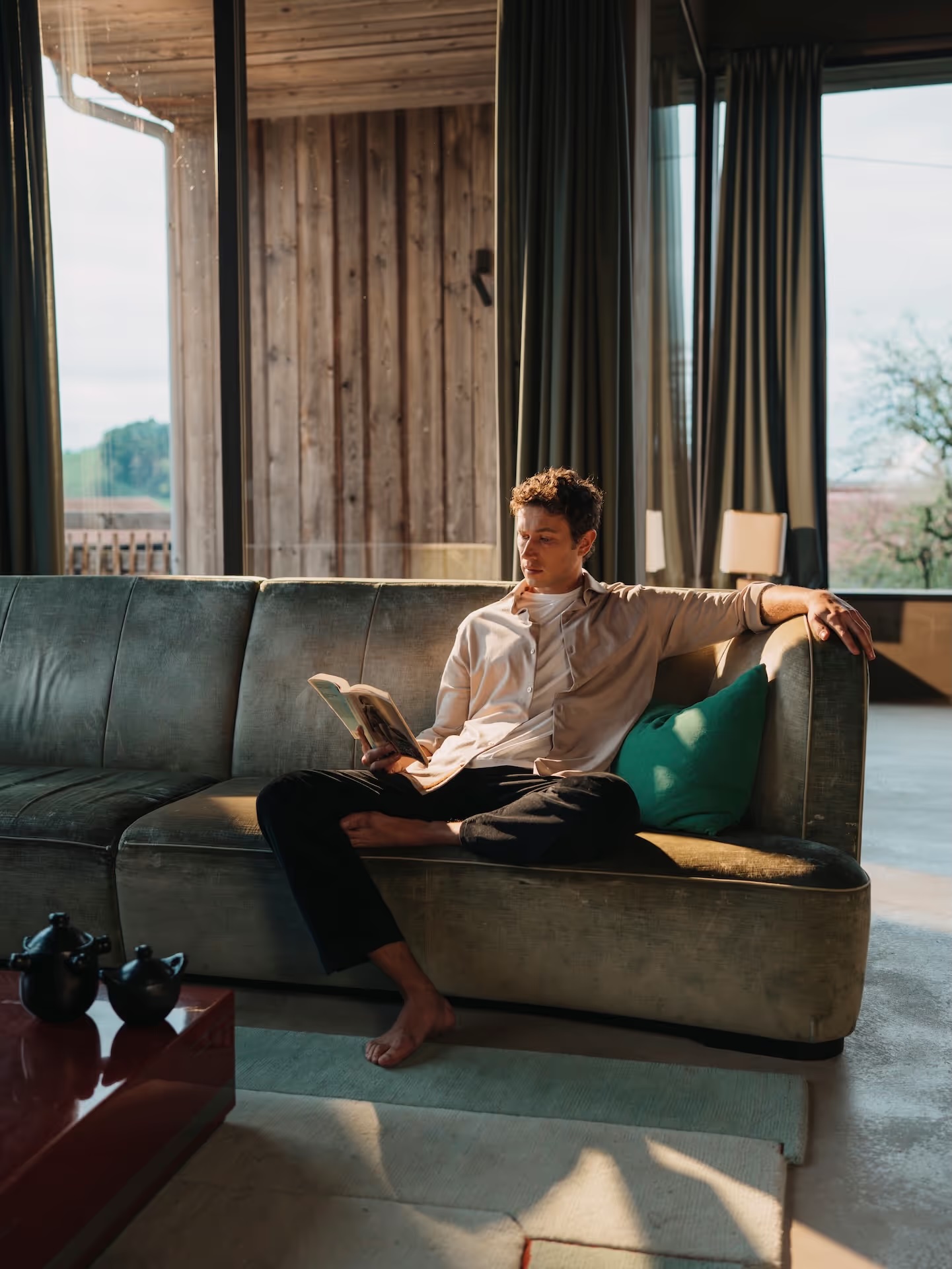
What Makes Loungewear Ultra-Soft, and How Do You Choose the Best Quality Pieces?
Discover what truly makes loungewear ultra-soft, from fiber origin to artisan finishing, and how to judge real quality before you buy.

How Does Artisanal, Small-Batch Clothing Production Help Fight Climate Change?
How small-batch Andean craftsmanship removes carbon-heavy manufacturing from fashion and makes clothing built to last.

