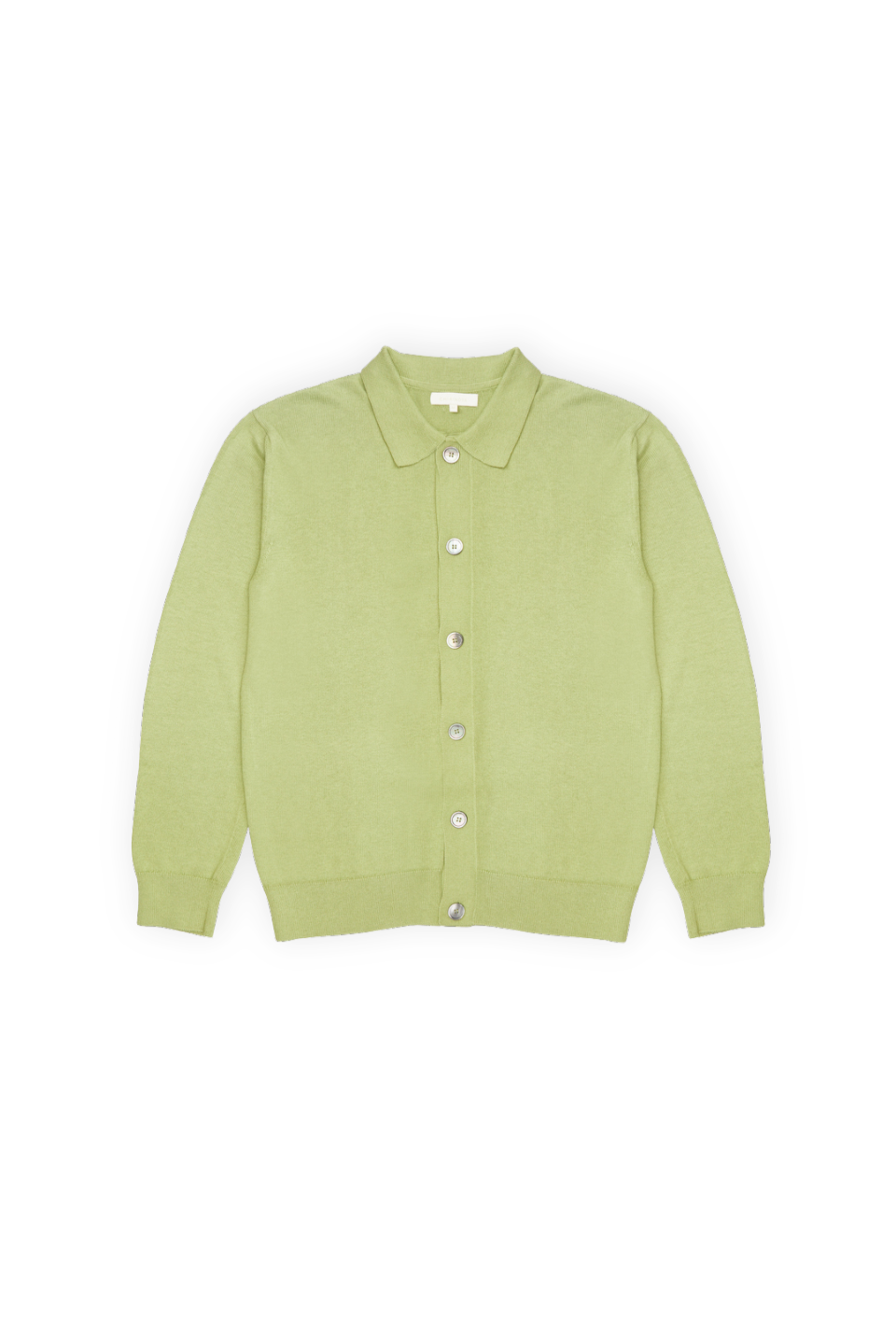
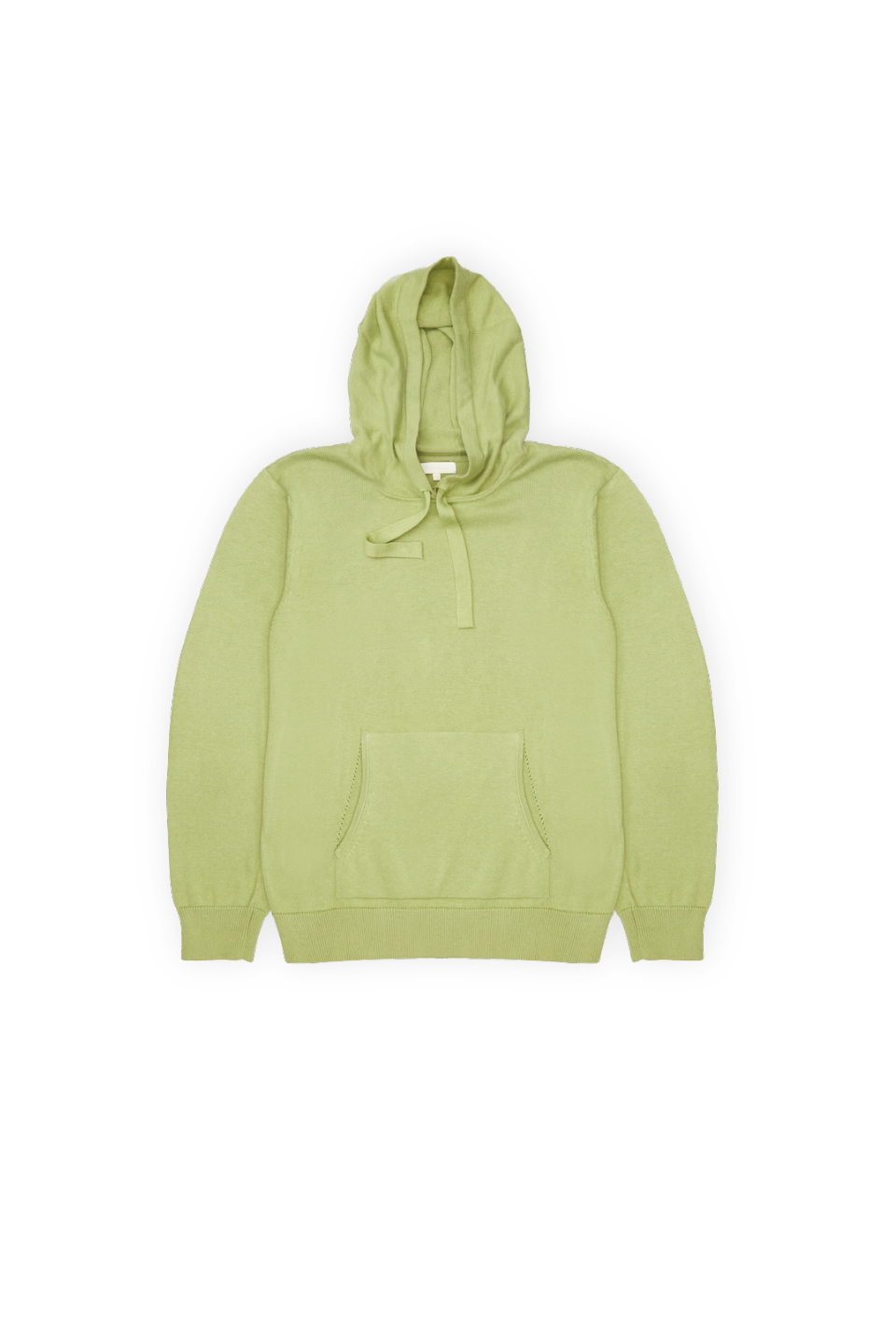
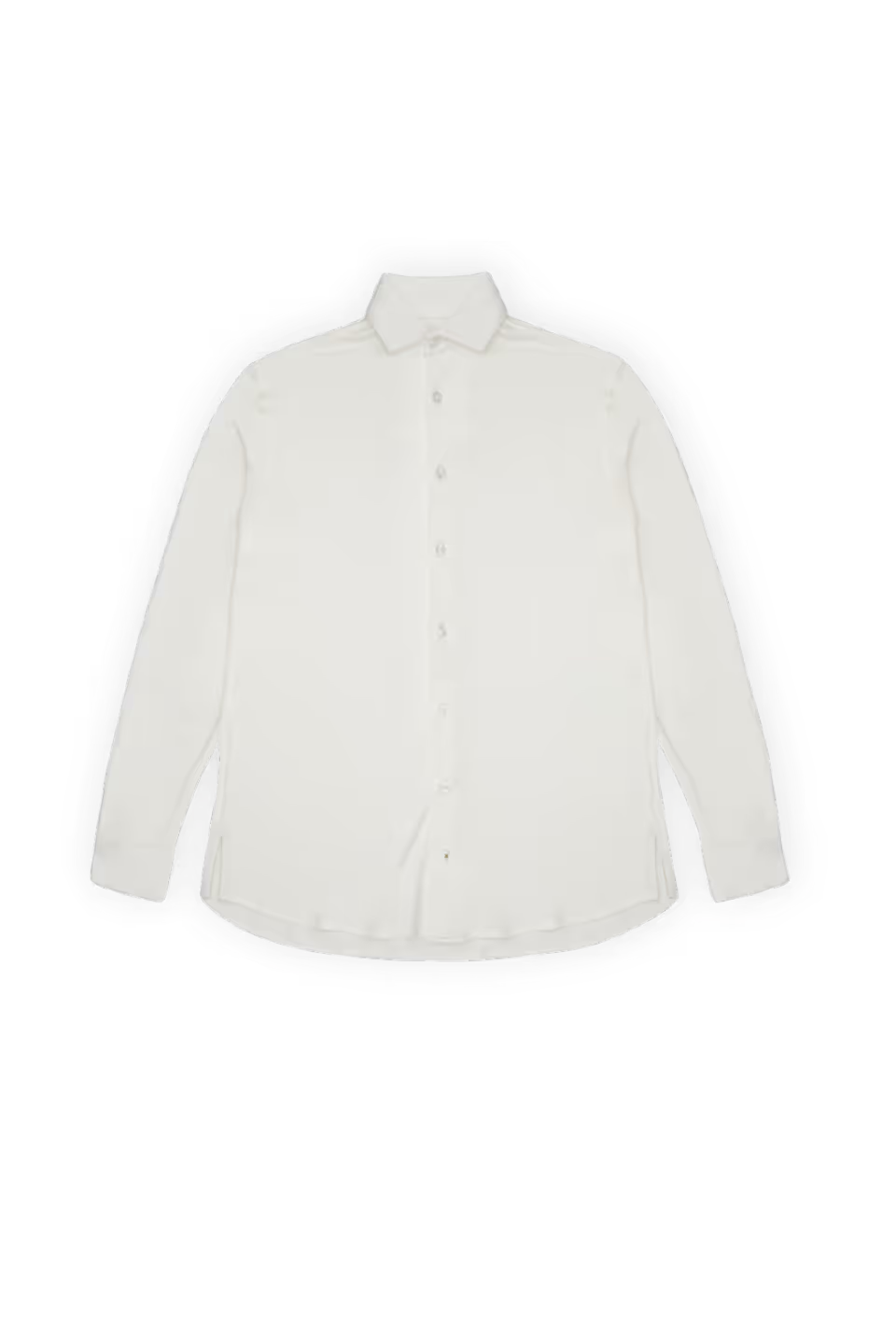
How Does Artisanal, Small-Batch Clothing Production Help Fight Climate Change?
How small-batch Andean craftsmanship removes carbon-heavy manufacturing from fashion and makes clothing built to last.
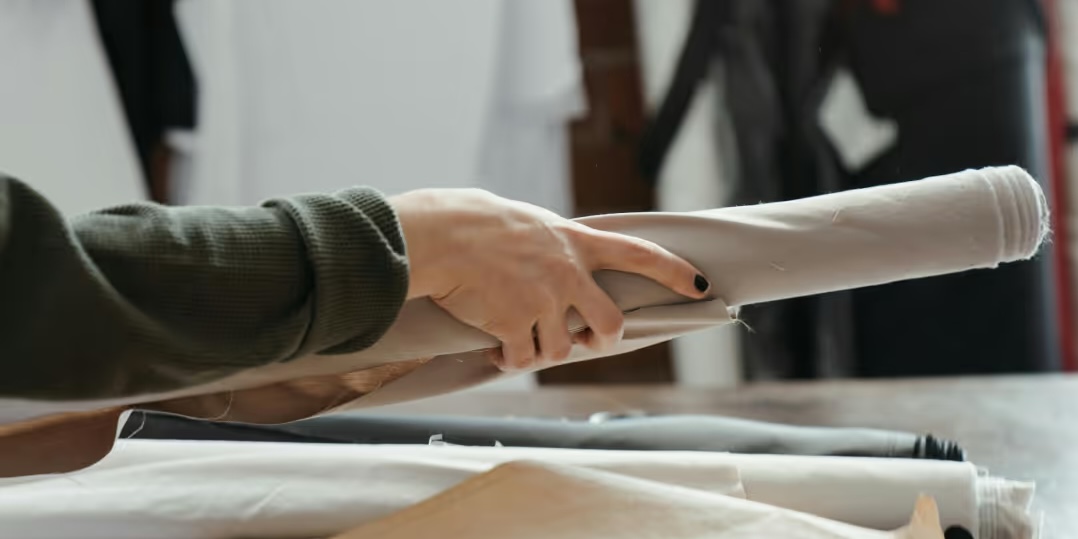
Artisanal, small-batch production fights climate change by removing the industrial machinery, energy-intensive dye lines, and overproduction cycles that generate most of fashion's emissions. When garments are spun, woven, and finished by hand in limited quantities, there is no factory floor running around the clock, no unsold stock destined for a landfill, and no pressure to manufacture faster than a fibre like Pima Cotton or Baby Alpaca can be grown and gathered. The result is a garment with a lighter footprint long before it reaches your hands, and one made to be worn for years rather than replaced each season.
At Chirimoya, this is the premise of how we source and make things. Much of our supply chain runs through small workshops and cooperatives in the Andes, where the pace of production is set by hand.
What makes mass-produced clothing so carbon-heavy?
Conventional fashion's emissions come from scale and speed. Enormous mills run continuously to feed a system built on constant turnover, dozens of micro-seasons a year, garments priced to be discarded, and synthetic fibres derived from petroleum. Dyeing and finishing alone consume vast amounts of water and energy, often in facilities with little regulation. Add global shipping, warehousing of excess inventory, and the sheer volume of clothing that ends up unsold or unworn, and you have an industry whose environmental cost is built into its business model.
Small-batch production interrupts that model, since there is no excess to burn off and no factory to keep running at full capacity regardless of demand.
How does pre-industrial artisan craftsmanship change the equation?
Baby Alpaca fibre is gathered from herds raised at high altitude in the Andes, then sorted, spun, and knitted using techniques passed down through generations rather than automated on a production line. Pima Cotton, prized for its extra-long staple fibre, is hand-picked to preserve the length that gives the finished yarn its characteristic strength and smoothness, a quality that shortens and coarsens the moment it is processed at industrial speed. Neither fibre lends itself to mass mechanisation without losing what makes it exceptional in the first place.
Why does supporting Andean communities matter for the climate story?
Sourcing directly from artisan cooperatives means fair, transparent pay for skilled work, and it means the knowledge required to raise alpaca herds responsibly or grow Pima Cotton sustainably stays in the hands of the people who have practiced it for generations. When that expertise is preserved, the land and the animals it depends on are managed with a long view.
Can a garment's lifespan actually be a climate strategy?
Yes, and it is a part that is often overlooked, since a sweater that softens with each wash and holds its shape for a decade replaces, in effect, the five or six cheaper versions someone might otherwise buy and discard over that same period. Baby Alpaca's long, fine fibres resist pilling far better than most wool, and Pima Cotton's smooth weave holds its structure wash after wash instead of thinning out within a year. Every year a garment stays in rotation is a year of manufacturing, shipping, and waste that doesn't have to happen again.
Climate-conscious fashion is not only about how a piece is made, but about how long it is kept, and a wardrobe built on fewer, better things, chosen because they last, does more for the planet over time than any single certification on a label.
- Small-batch production avoids the overproduction and unsold inventory that drive much of fashion's footprint.
- Hand-spun Baby Alpaca and hand-picked Pima Cotton cannot be rushed through industrial processing without losing their quality.
- Sourcing directly from Andean cooperatives keeps traditional, land-conscious practices alive rather than replacing them.
- Garments built to last for years reduce the need for constant replacement, which is a climate strategy in itself.
Is small-batch clothing production always more sustainable than mass manufacturing?
Generally yes, because it avoids the overproduction and high-speed industrial processing that account for most of fashion's emissions. Scale is what often makes mass manufacturing carbon-heavy, so producing in limited quantities removes that pressure.
Why can't fibres like Baby Alpaca or Pima Cotton be processed on a large industrial scale?
Both fibres depend on qualities - Alpaca's fine, long hair and Pima Cotton's extra-long staple length - that are easily damaged by high-speed mechanical processing. Hand-sorting and hand-spinning preserve the strength and softness that make these materials worth using in the first place.
Does buying fewer, higher-quality garments really make a measurable climate difference?
Yes. A well-made garment that lasts years replaces several lower-quality versions that would otherwise be produced, shipped, and discarded over the same period, which reduces cumulative manufacturing and waste far more than any single production improvement.
Explore the collection