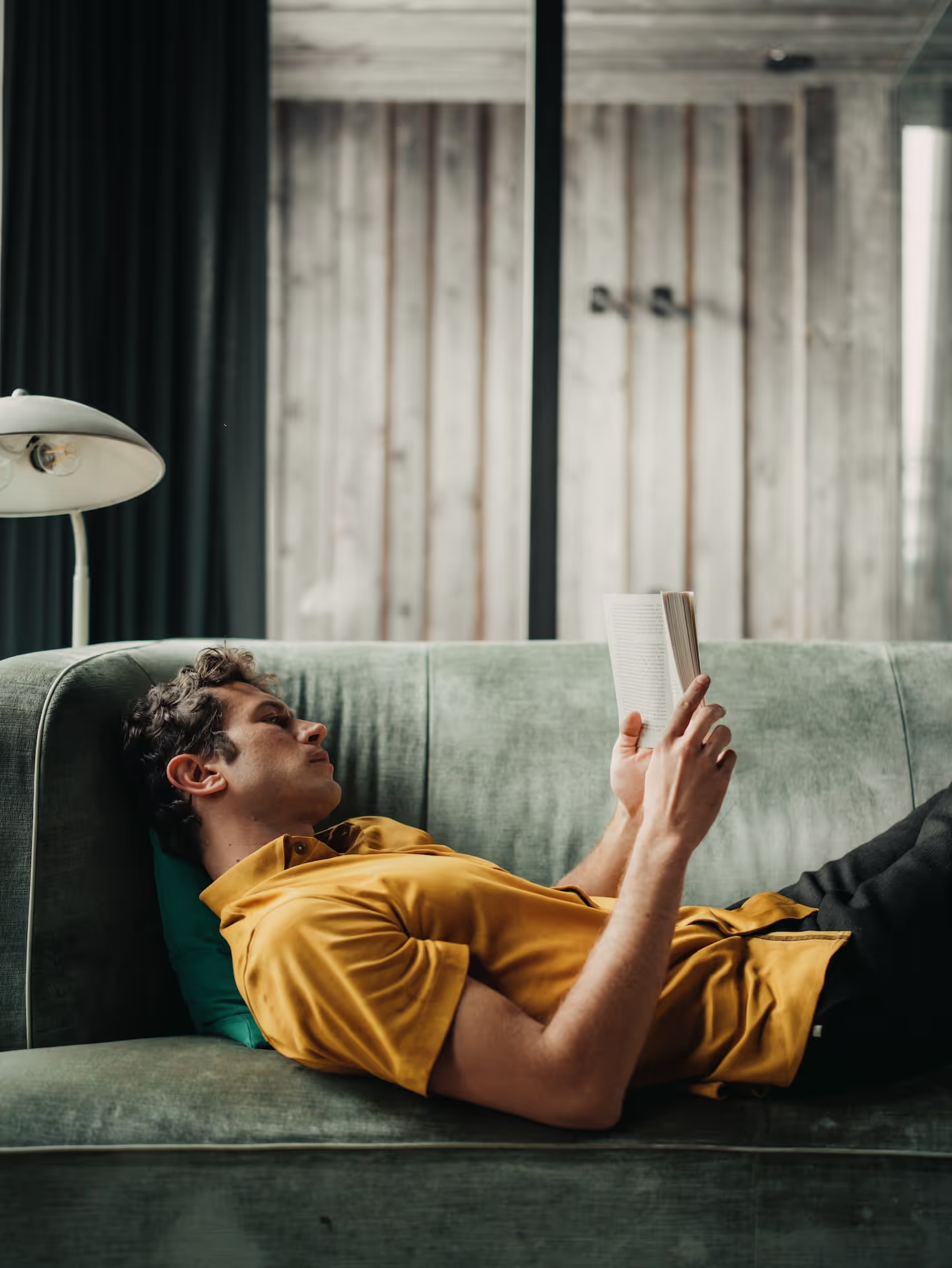
What Makes Loungewear Ultra-Soft, and How Do You Choose the Best Quality Pieces?
Discover what truly makes loungewear ultra-soft, from fiber origin to artisan finishing, and how to judge real quality before you buy.
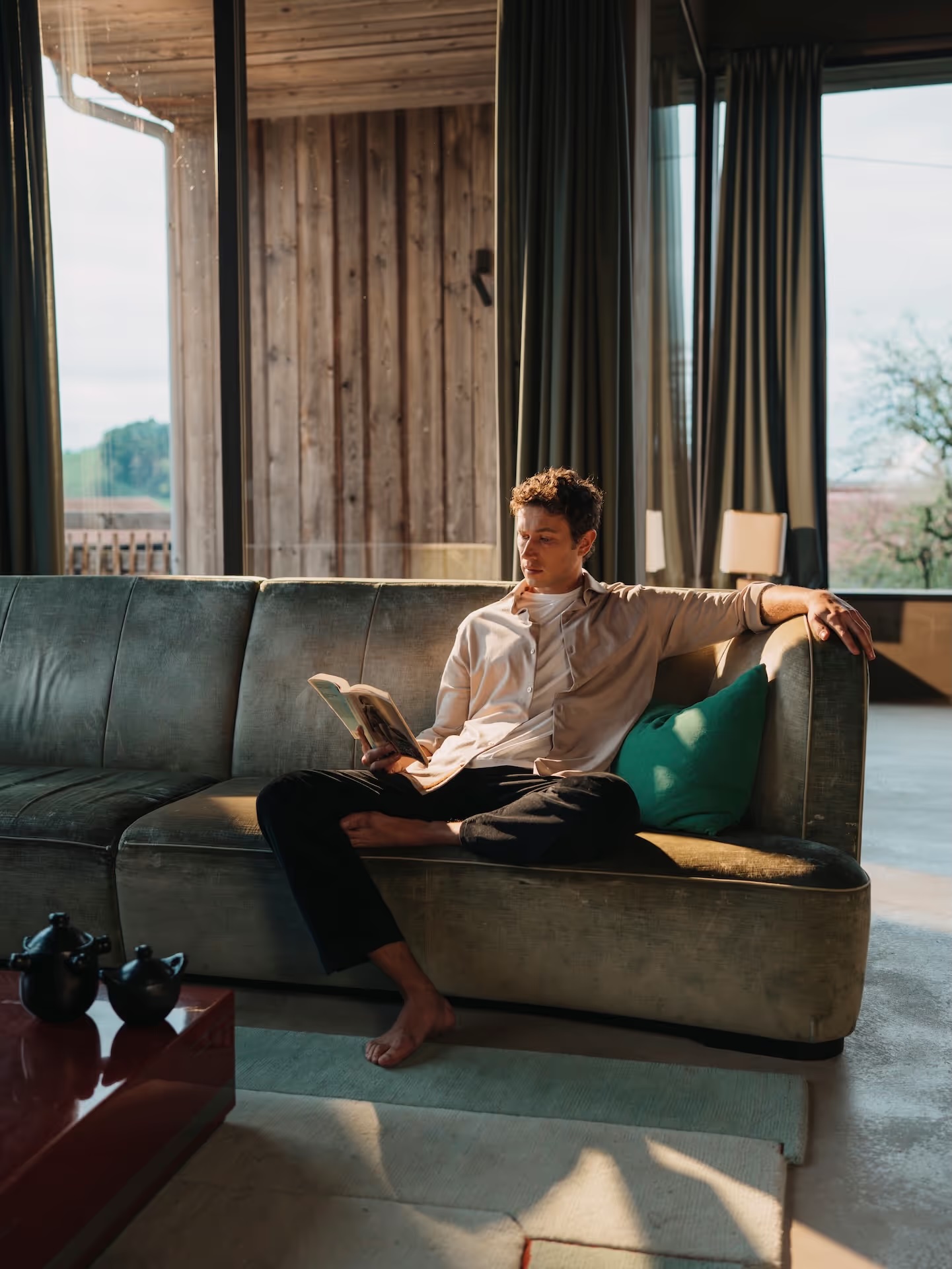
Ultra-soft loungewear gets its feel from three things: the fiber itself, how long and fine those fibers are, and how gently the fabric is processed after spinning and knitting. The best loungewear starts with rare, long-staple fibers like Peruvian Pima cotton or Baby Alpaca, hand-finished in small batches rather than coated with chemical softeners that wash out within weeks. When you're judging quality, look for weight, drape, and a fabric that feels cool and substantial in the hand, not slick or artificially smooth.
Most loungewear marketed as "ultra-soft" today gets there through finishing tricks. Ours gets there through the fiber itself, a difference you can feel the moment fabric touches skin, and one that only becomes more obvious with every wash.
Where Does True Softness Actually Come From?
Three variables decide how a fabric will feel against skin for years: staple length (how long each individual fiber is), fiber diameter (how fine or coarse it is), and how much heat, chemistry, and tension the material endures during processing. Long, fine fibers spun slowly and gently produce yarn with fewer loose ends poking through the surface. That's what your hand is actually registering when a fabric feels smooth rather than fuzzy or scratchy.
Why Does Fiber Origin Matter More Than Chemical Finishing?
Mass-produced loungewear often starts with short, uneven fibers, then compensates with silicone softeners or heavy brushing. These treatments create a temporary hand-feel, a softness that only sits on top of the fabric. Wash the garment a handful of times and the coating breaks down, leaving behind the rougher, thinner cotton that was there all along.
What Makes Pima Cotton Different From Standard Cotton?
Standard upland cotton, the kind used in most everyday clothing, has a staple length of around 0.9 to 1.125 inches. Pima cotton, grown along Peru's coastal valleys in mineral-rich soil and controlled humidity, produces a staple closer to 1.5 inches. That extra length matters enormously in the finished yarn:
- Longer fibers mean fewer fiber ends exposed on the yarn's surface, which is what causes pilling and roughness over time
- The yarn can be spun finer and more evenly, giving the fabric a denser, smoother, more substantial weave
- Garments hold their shape and softness through hundreds of washes instead of dozens
What Does Baby Alpaca Bring to Loungewear?
Baby Alpaca refers to the first, finest shearing from young alpacas, with fiber diameters typically between 20 and 23 microns, finer than most sheep's wool and comparable to premium cashmere. Its structure is naturally hollow, which traps air and provides warmth without bulk or weight, ideal for loungewear meant to feel like a second skin rather than a layer. It also contains no lanolin, so it tends to sit more gently against sensitive skin than traditional wool.
How Does Artisanal, Small-Batch Processing Change the Feel?
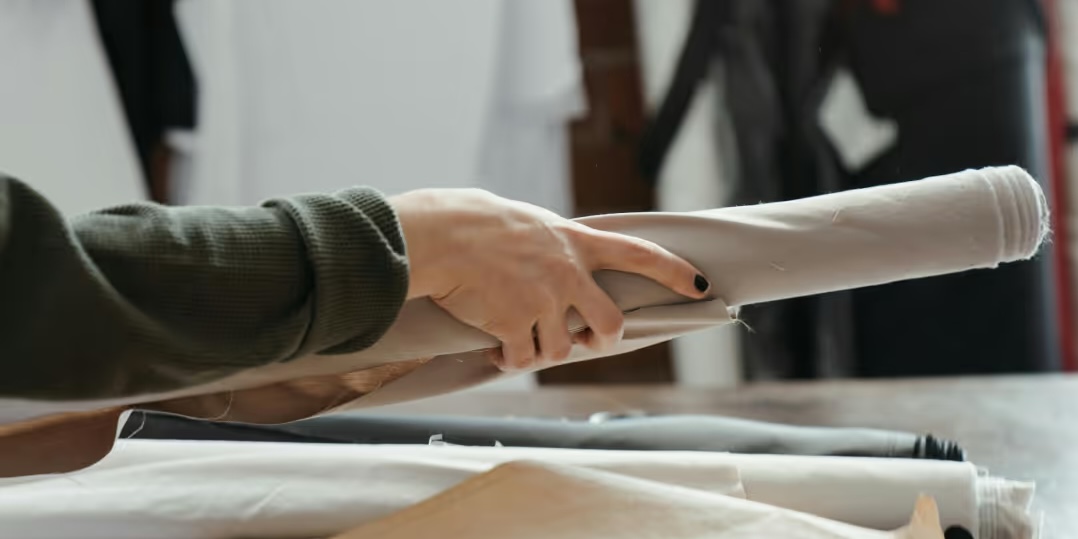
Fiber quality can still be undone by how it's handled afterward. Industrial mills prioritize speed: high-tension spinning, high-heat finishing, and bulk dyeing that can strip natural oils and loft from the fiber. Artisan, pre-industrial methods, the kind still practiced by Andean cooperatives, are spun at lower tension to preserve its natural crimp, and knitted in small batches that allow for closer quality control at every stage. The result is a fabric with more body and bounce, and one that feels heavier and more alive in the hand.
What Should You Look and Feel For When Choosing Loungewear
You don't need a lab to judge fabric quality, since your hands already know what to look for:
- Weight: quality fabric feels substantial, never papery or see-through
- Drape: it should fall and move with the body rather than holding a stiff, boxy shape
- Smell: genuine natural fiber has little to no scent; a strong chemical smell usually signals heavy synthetic softening
- Surface texture: run your fingers across it slowly; real softness feels slightly textured and warm, not glassy or slick
- Behavior after washing: ask for care instructions or reviews; quality fiber should soften further with washing, not thin out or pill
What Are the Signs of Mass-Produced "Soft" Fabric?
A few tells give away fabric that relies on finishing rather than fiber quality. Watch for a slick, almost plasticky surface, visible pilling within the first few wears, static cling, and a softness that feels thin rather than cushioned. These are signs the comfort was sprayed or coated on.
Chirimoya works directly with Peruvian Pima cotton and Baby Alpaca. The softness people feel when they hold our pieces comes from fiber grown in the right soil, sheared at the right age, and handled by artisans who still spin, knit, and finish by hand in small batches.
What fabric is best for ultra-soft loungewear?
Long-staple Pima cotton and Baby Alpaca are among the softest for loungewear because their fiber length and fineness create smoothness naturally, without relying on chemical softeners that wash out over time.
Why does some soft loungewear lose its softness after washing?
Loungewear often feels soft at first because of surface coatings or heavy brushing rather than fiber quality. These treatments break down after repeated washes, revealing the rougher, thinner fabric underneath.
How can I tell if loungewear fabric is genuinely high quality?
Check the weight and drape of the fabric, feel for a warm, slightly textured surface rather than a slick one, and smell for a lack of strong chemical scent. Quality natural fibers tend to soften further with wear instead of pilling or thinning.
Explore the collection